
In today’s digital landscape, search engine marketing (SEM) has become the cornerstone of successful online business strategies. With billions of searches conducted daily across various search engines, understanding the different types of search engine marketing is crucial for businesses looking to capture their target audience’s attention and drive meaningful results.
Search engine marketing encompasses all activities designed to increase a website’s visibility in search engine results pages (SERPs). This comprehensive approach combines both paid and organic strategies to maximize online presence and reach potential customers at the moment they’re actively searching for products or services. Before going to the types of search engine marketing first understand what is search engine marketing.
Understanding Search Engine Marketing
Before diving into the specific types of search engine marketing, it’s essential to understand what SEM truly encompasses. Search engine marketing is an umbrella term that includes all marketing efforts aimed at increasing visibility in search engines. This includes both paid advertising and organic optimization techniques, making it a multifaceted approach to digital marketing.
The primary goal of SEM is to position your business prominently in search results when potential customers search for relevant keywords. This strategic positioning helps drive qualified traffic to your website, increase brand awareness, and ultimately generate leads and sales. Let’s go to the types of search engine marketing:
Pay-Per-Click Advertising (PPC)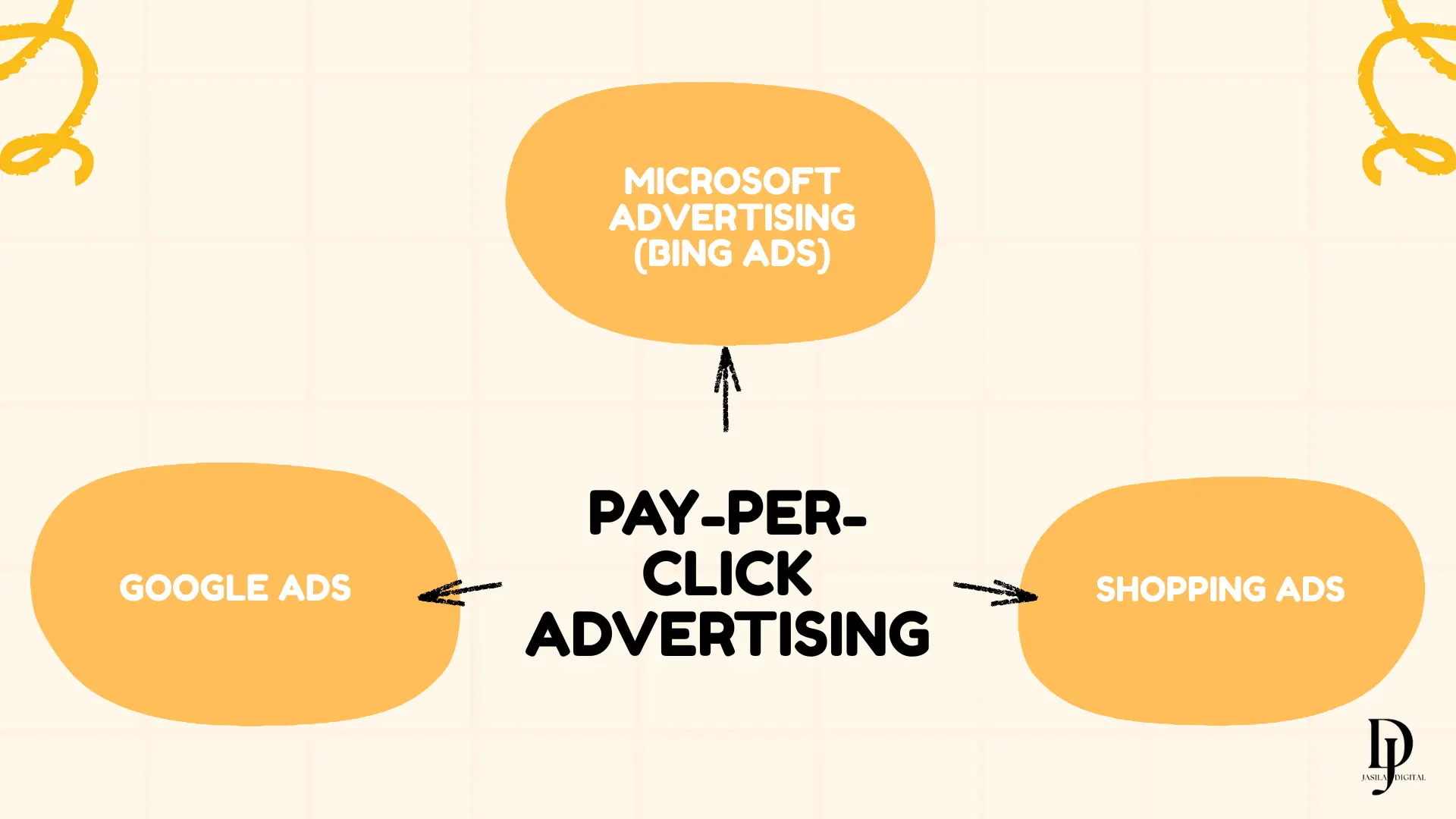
Pay-per-click advertising represents one of the most immediate and controllable types of search engine marketing. PPC allows businesses to bid on specific keywords and display their ads prominently in search results, paying only when users click on their advertisements. It includes:
Google Ads
Google Ads, formerly known as Google AdWords, dominates the PPC landscape due to Google’s massive search volume. Google Ads represents one of the most immediate and controllable types of search engine marketing. This platform offers various campaign types, including search ads, display ads, shopping ads, and video ads. Search ads appear at the top and bottom of Google search results, marked with “Ad” labels to distinguish them from organic results.
The effectiveness of Google Ads lies in its sophisticated targeting options, allowing businesses to target users based on keywords, location, demographics, interests, and even specific times of day. The auction-based system ensures that ad placement depends on both bid amount and ad quality, promoting relevant and useful advertisements.
Microsoft Advertising (Bing Ads)
While Google dominates search, Microsoft Advertising on Bing shouldn’t be overlooked. Bing holds a significant market share, particularly among older demographics and users in certain professional environments. The platform often offers lower competition and cost-per-click rates, making it an attractive option for businesses looking to maximize their advertising budget. It represents one of the most immediate and controllable types of search engine marketing.
Shopping Ads
Product Listing Ads (PLAs) or Shopping Ads represent a specialized form of PPC advertising designed specifically for e-commerce businesses. These ads display product images, prices, and merchant information directly in search results, providing users with immediate product information before they click through to the website.
Shopping ads are particularly effective for retail businesses because they showcase products visually, leading to higher-quality clicks from users with strong purchase intent. The visual nature of these ads helps them stand out in search results and often achieves better click-through rates than traditional text ads. This is one of the important types of search engine marketing.
Search Engine Optimization (SEO)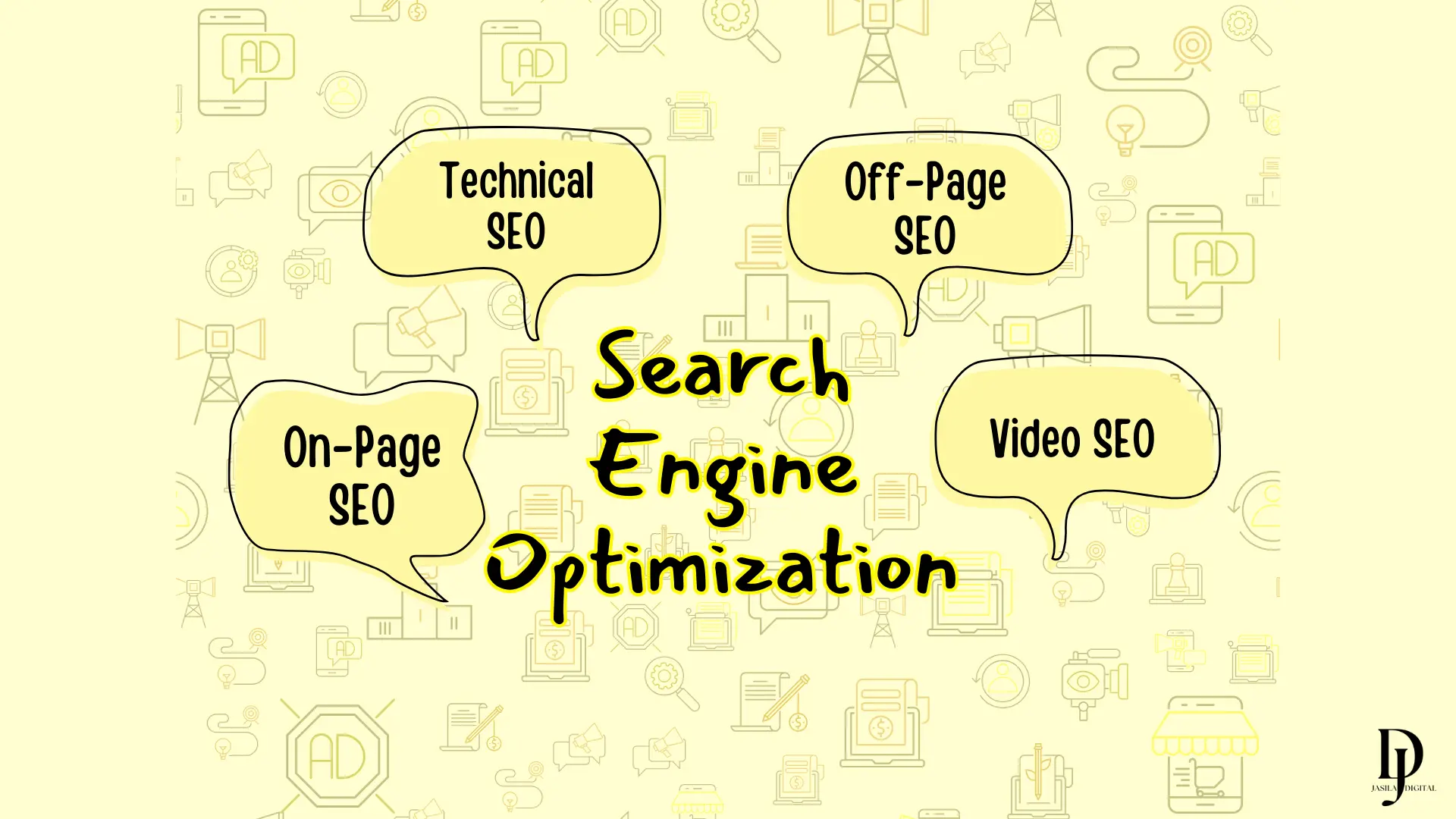
Search Engine Optimization forms the organic side of search engine marketing, focusing on improving website visibility through unpaid search results. SEO is a long-term strategy that requires consistent effort but can provide sustainable traffic growth and cost-effective results over time. SEO represents one of the most immediate and controllable types of search engine marketing.
On-Page SEO
On-page SEO involves optimizing individual web pages to rank higher and earn more relevant traffic. This includes optimizing content, HTML tags, internal linking structure, and ensuring proper keyword placement throughout the page. Title tags, meta descriptions, header tags, and URL structures all play crucial roles in on-page optimization.
Content quality remains paramount in on-page SEO. Search engines prioritize websites that provide valuable, relevant, and comprehensive information to users. This means creating content that thoroughly addresses user queries while naturally incorporating target keywords.
Technical SEO
Technical SEO focuses on the backend elements of a website that affect search engine crawling and indexing. This includes site speed optimization, mobile responsiveness, SSL certificates, XML sitemaps, and proper site architecture. Technical SEO ensures that search engines can easily access, crawl, and understand website content.
Page loading speed has become increasingly important, with search engines considering site speed as a ranking factor. Mobile optimization is equally crucial, as mobile searches now account for the majority of total searches across most industries.
Off-Page SEO
Off-page SEO encompasses activities performed outside the website to improve search rankings. Link building remains the most significant off-page SEO factor, as search engines view quality backlinks as votes of confidence from other websites. However, modern off-page SEO extends beyond link building to include social media marketing, brand mentions, and online reputation management.
Building authoritative backlinks requires creating valuable content that other websites naturally want to reference and link to. This might involve guest posting, creating shareable resources, participating in industry discussions, and building relationships with other website owners and influencers.
Video SEO
Video content has become increasingly important in search marketing, with video results appearing prominently in many search queries. Optimizing video content for search engines involves creating compelling titles, detailed descriptions, relevant tags, and custom thumbnails.
YouTube, being owned by Google, often receives preferential treatment in search results, making YouTube optimization an important component of overall SEM strategy. Video content can also be embedded on websites to increase time on site and provide additional content for search engines to index.
Local Search Engine Marketing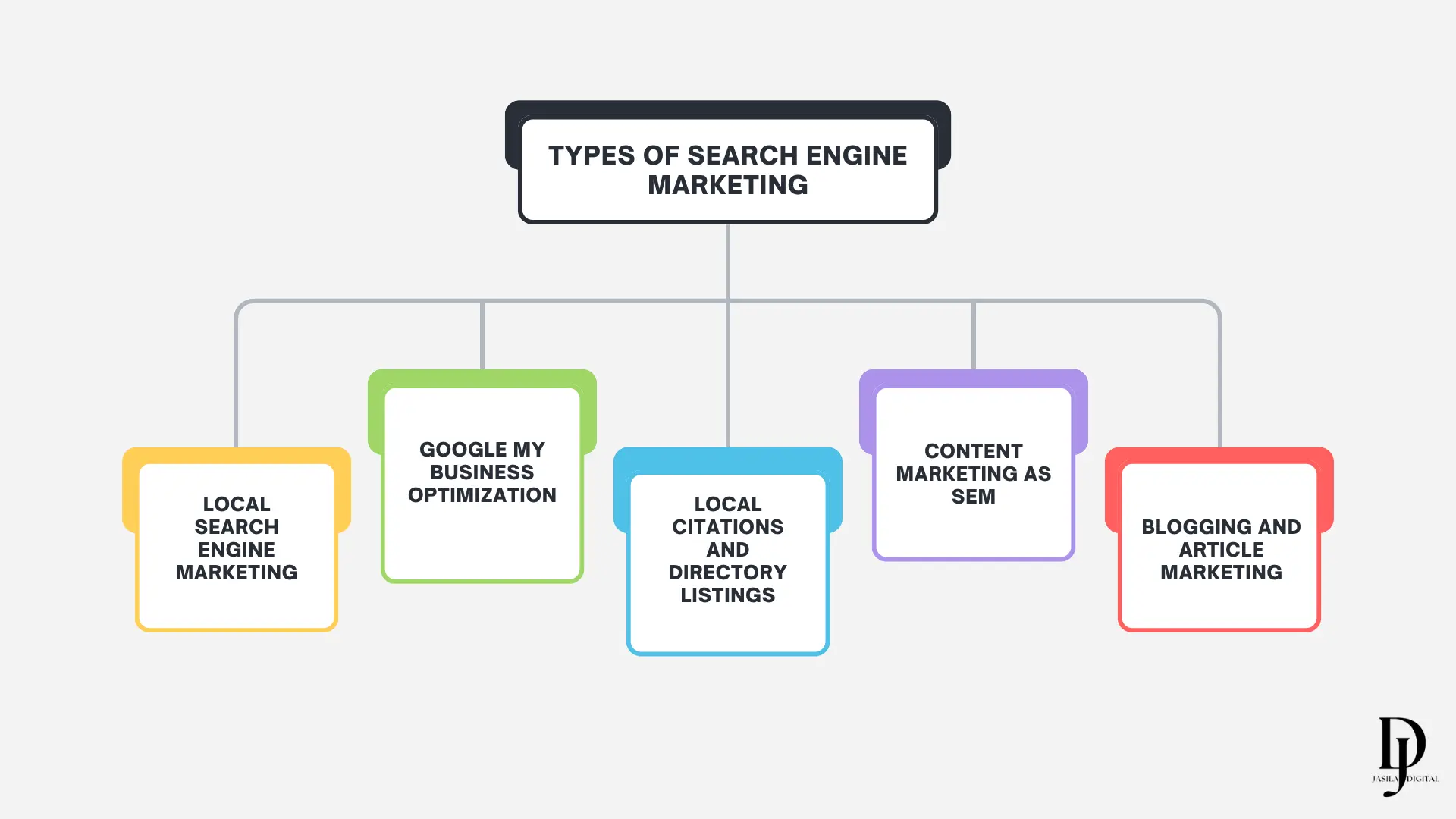
Local SEM focuses on optimizing visibility for location-based searches, crucial for businesses serving specific geographic areas. This type of search engine marketing becomes essential for brick-and-mortar businesses, service providers, and any company targeting local customers. It represents one of the most important types of search engine marketing.
Google My Business Optimization
Google My Business (GMB) serves as the foundation of local search marketing. A well-optimized GMB profile includes accurate business information, high-quality photos, regular posts, and active management of customer reviews. GMB optimization directly impacts local search rankings and can significantly influence customer decisions.
Maintaining consistent NAP (Name, Address, Phone) information across all online platforms is crucial for local SEO success. Inconsistent information can confuse search engines and potential customers, negatively impacting local search visibility.
Local Citations and Directory Listings
Building citations in local directories and industry-specific platforms helps establish business credibility and improves local search rankings. These citations should maintain consistent business information and target relevant, authoritative directories that potential customers might use to find local businesses.
Content Marketing as SEM
Content marketing intersects with search engine marketing by creating valuable content that attracts organic search traffic while supporting other SEM efforts. This approach focuses on providing useful information that addresses user questions and needs, naturally incorporating relevant keywords and topics.
Blogging and Article Marketing
Regular blogging helps businesses target long-tail keywords, establish industry authority, and provide fresh content for search engines to index. Well-researched, comprehensive articles can rank for multiple related keywords and drive consistent organic traffic over time.
Effective blog content should address specific user questions, provide actionable insights, and demonstrate expertise in the subject matter. This content can also support other marketing efforts by providing valuable resources for social media sharing and email marketing campaigns.
Social Media and Search Marketing Integration
While social media signals don’t directly impact search rankings, social media marketing can support SEM efforts by increasing content visibility, driving traffic, and building brand awareness. Social platforms can amplify content reach and create opportunities for earning backlinks and mentions.
Social media profiles often appear in search results for brand-related queries, making it important to maintain optimized and active social media presence. This integration helps control the narrative around your brand in search results and provides additional touchpoints for potential customers. It include the types of search engine marketing.
Display Advertising and Remarketing
Display advertising extends SEM beyond search results to include banner ads on relevant websites throughout the internet. Google’s Display Network reaches millions of websites, allowing businesses to target users based on interests, demographics, and previous website interactions. It represents one of the most controllable types of search engine marketing.
Remarketing represents a particularly effective form of display advertising, targeting users who have previously visited your website but didn’t convert. These campaigns can display relevant ads to previous visitors as they browse other websites, keeping your brand top-of-mind and encouraging return visits.
Mobile Search Marketing
Mobile optimization has become essential as mobile searches continue to grow. Mobile SEM requires understanding how user behavior differs on mobile devices, including shorter search queries, local intent, and immediate action orientation. One of the important types of search engine marketing.
Mobile-first indexing means search engines primarily use the mobile version of websites for ranking and indexing. This makes mobile optimization not just important for mobile users, but crucial for overall search visibility across all devices.
Voice Search Optimization
Voice search represents an emerging areas of search engine marketing as smart speakers and voice assistants become more prevalent. It becomes one of the important types of search engine marketing. Voice queries tend to be longer and more conversational than typed searches, requiring optimization for natural language patterns and question-based queries.
Optimizing for voice search involves targeting long-tail keywords, creating content that answers specific questions, and ensuring fast page loading speeds. Local businesses particularly benefit from voice search optimization, as many voice queries have local intent.
Measuring SEM Success
Effective search engine marketing requires continuous monitoring and optimization based on performance metrics. Key performance indicators include organic traffic growth, keyword rankings, click-through rates, conversion rates, and return on advertising spend. After understanding the types of search engine marketing, must measure its success and monitor to boost visibility.
Google Analytics and Google Search Console provide essential insights into organic search performance, while advertising platforms offer detailed metrics for paid campaigns. Regular analysis of these metrics helps identify opportunities for improvement and ensures SEM efforts align with business objectives.
Future of Search Engine Marketing
Search engine marketing continues evolving with technological advances and changing user behaviors. Artificial intelligence and machine learning increasingly influence search algorithms, making user experience and content quality more important than ever. By understanding various types of search engine marketing you can boost your website visibility.
The integration of AI in search means that understanding user intent and providing comprehensive, helpful content will become even more crucial. Businesses that focus on genuinely helping their audience while staying current with SEM best practices will be best positioned for long-term success. In future there are many scope for the types of search engine marketing.
Conclusion
The various types of search engine marketing each offer unique advantages and should be considered as part of a comprehensive digital marketing strategy. While paid advertising can provide immediate results, organic SEO builds long-term value. Local SEO serves geographic markets, while content marketing establishes authority and trust.
Success in search engine marketing requires understanding how these different types work together synergistically. A well-balanced approach that combines multiple SEM types, tailored to specific business goals and target audiences, provides the best opportunity for achieving sustainable online growth and visibility.
The key to effective SEM lies in continuous learning, testing, and adaptation. As search engines evolve and user behaviors change, businesses must remain flexible and responsive to maintain and improve their search marketing performance. By understanding and implementing various types of search engine marketing, businesses can build a robust online presence that drives consistent, qualified traffic and supports long-term growth objectives. This blog describes various types of search engine marketing which must you know.
For More Blogs Visit: https://jasiladigital.in/